Susanne Graner – Anything but ordinary
Valérie Ziegler, nuage
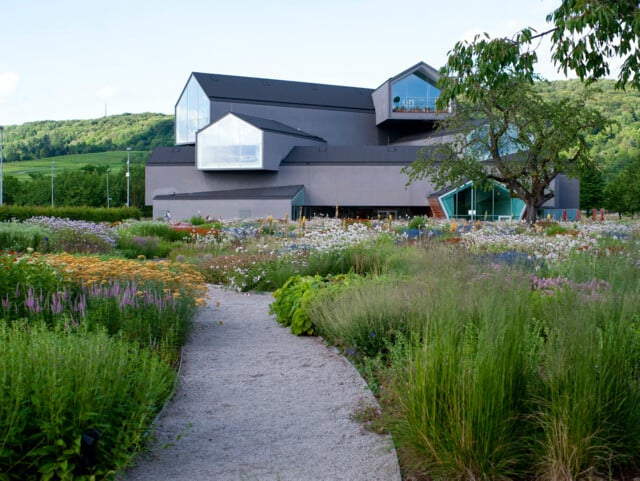
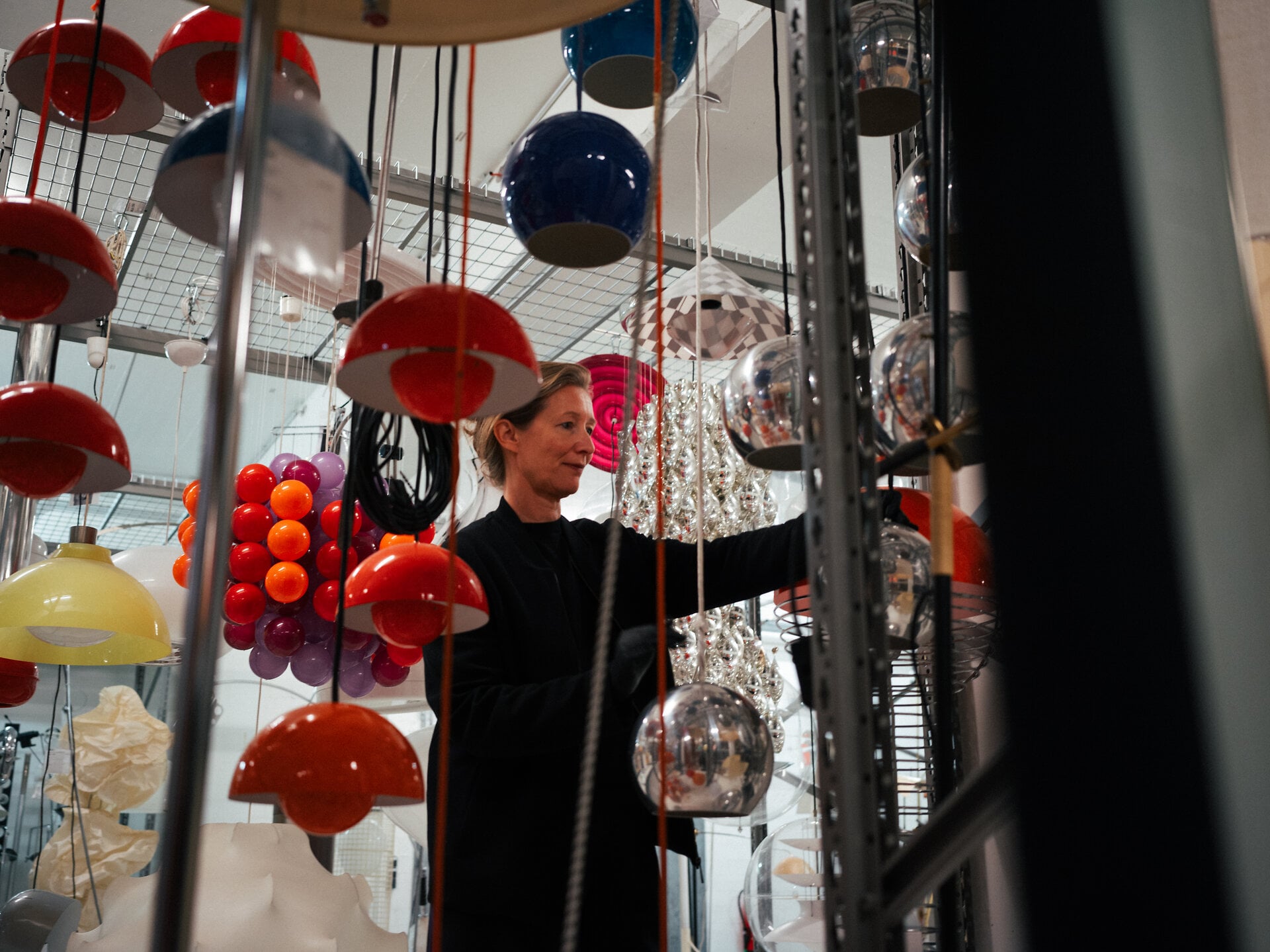
Anyone walking to the Schaudepot on the Vitra Campus will pass by the lush Oudolf Garden. A suitable place to start when meeting Susanne Graner: her welcome is infused with a warmth and lightness that’s immediately infectious – sunny, lively, full of energy.
During our visit, little of the exhibition that will open here on 23 May is yet visible in the Schaudepot. Between archive shelves, prototypes and objects, however, you can already guess what is going to be created: a world full of colours, shapes and futuristic visions.
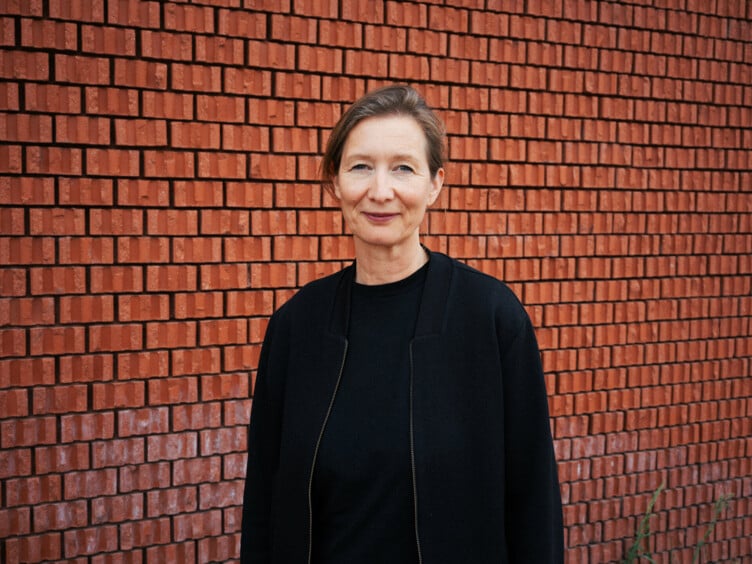
Susanne Graner, Head of Archive & Collection at the Vitra Design Museum. © Basel Tourismus, Oz Jacob Tabib
Together with her colleague Nina Steinmüller, Susanne Graner is currently curating the major exhibition to mark the 100th birthday of Verner Panton. Anyone familiar with the work of the Danish designer and architect knows that this is not about design that stays silent, but about spaces that want to be experienced. About fantasy. About movement. About atmospheres. “One major challenge,” admits Susanne, “ is the fact that the spatiality of the Schaudepot is clearly defined by its three-level exhibition area.”
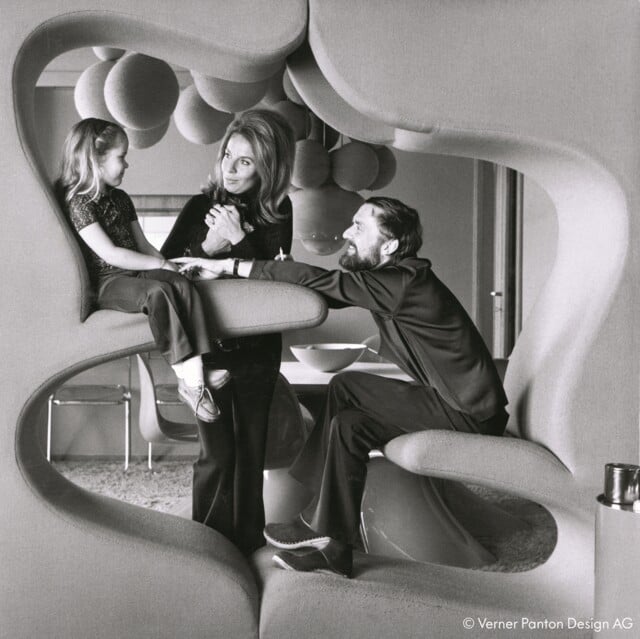
The legendary Fantasy Landscape – a walk-in installation that visitors can not only observe but physically experience – will once again serve as the heart of the exhibition.
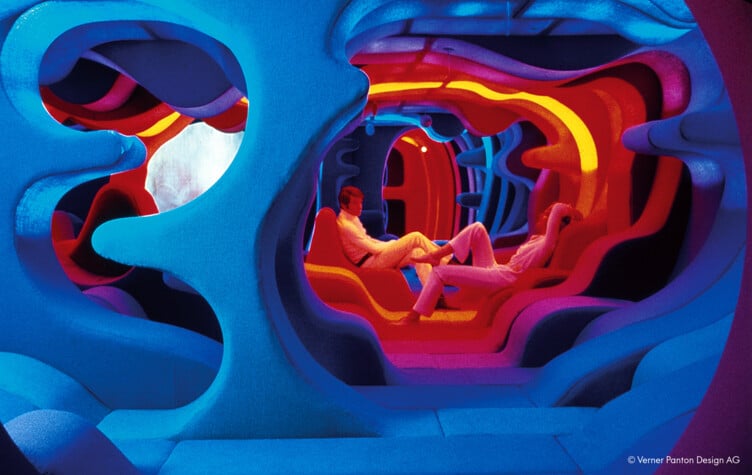
Verner Panton’s Fantasy Landscape at the Visiona II exhibition, Möbelmesse Köln, 1970. © Verner Panton Design AG
This perfectly encapsulates Panton’s thinking: he believed that spaces should not merely be designed but also experienced holistically. “What are we sitting on? How are we lying? How do we move within a space? Panton always understood design as an overall experience,” emphasizes the curator.
“It’s hard not to be fascinated by him. [...] Verner Panton created his own world.” Susanne Graner
For Susanne, the collaboration with Panton is far more than just a project. “It’s hard not to be fascinated by him,” she says. “He was a free thinker through and through.” Indeed, many designers experimented with futuristic visions of the home in the 1970s, but according to Susanne, hardly anyone did so in such an impactful way as Panton. “Furniture, lighting, textiles: Verner Panton created his own world.”
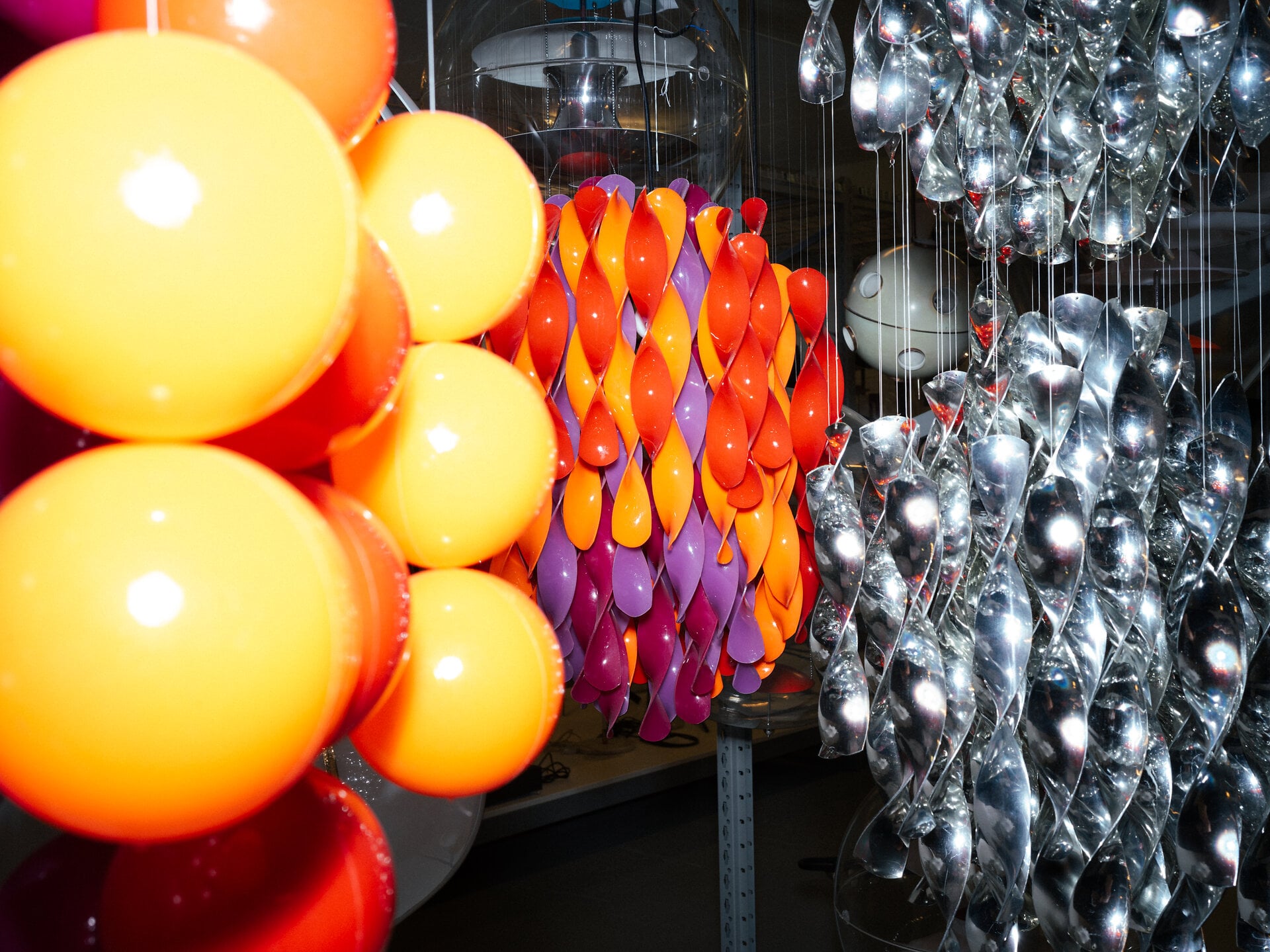
Works by designer Verner Panton. © Basel Tourismus, Oz Jacob Tabib
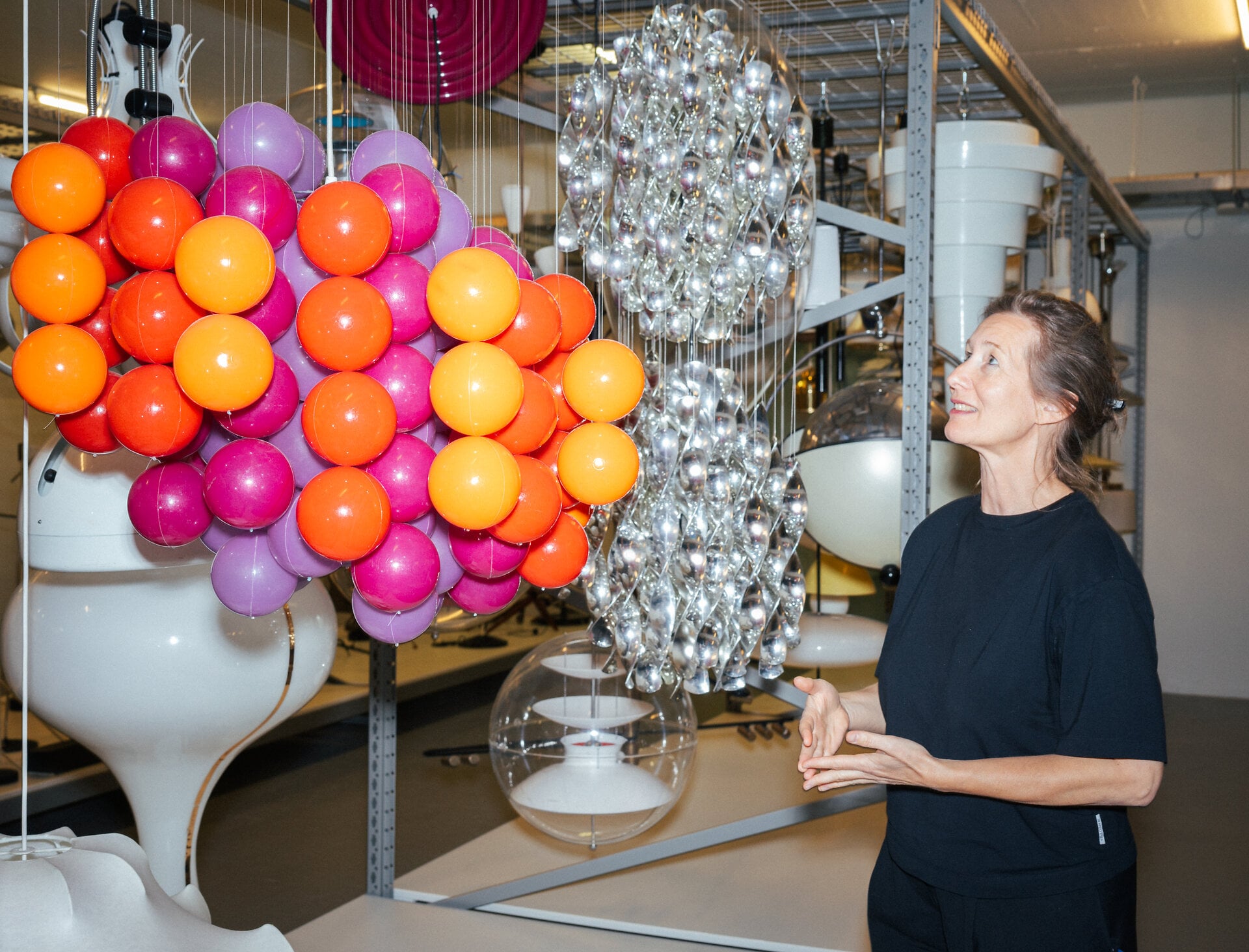
Susanne with works by Verner Panton. © Basel Tourismus, Oz Jacob Tabib
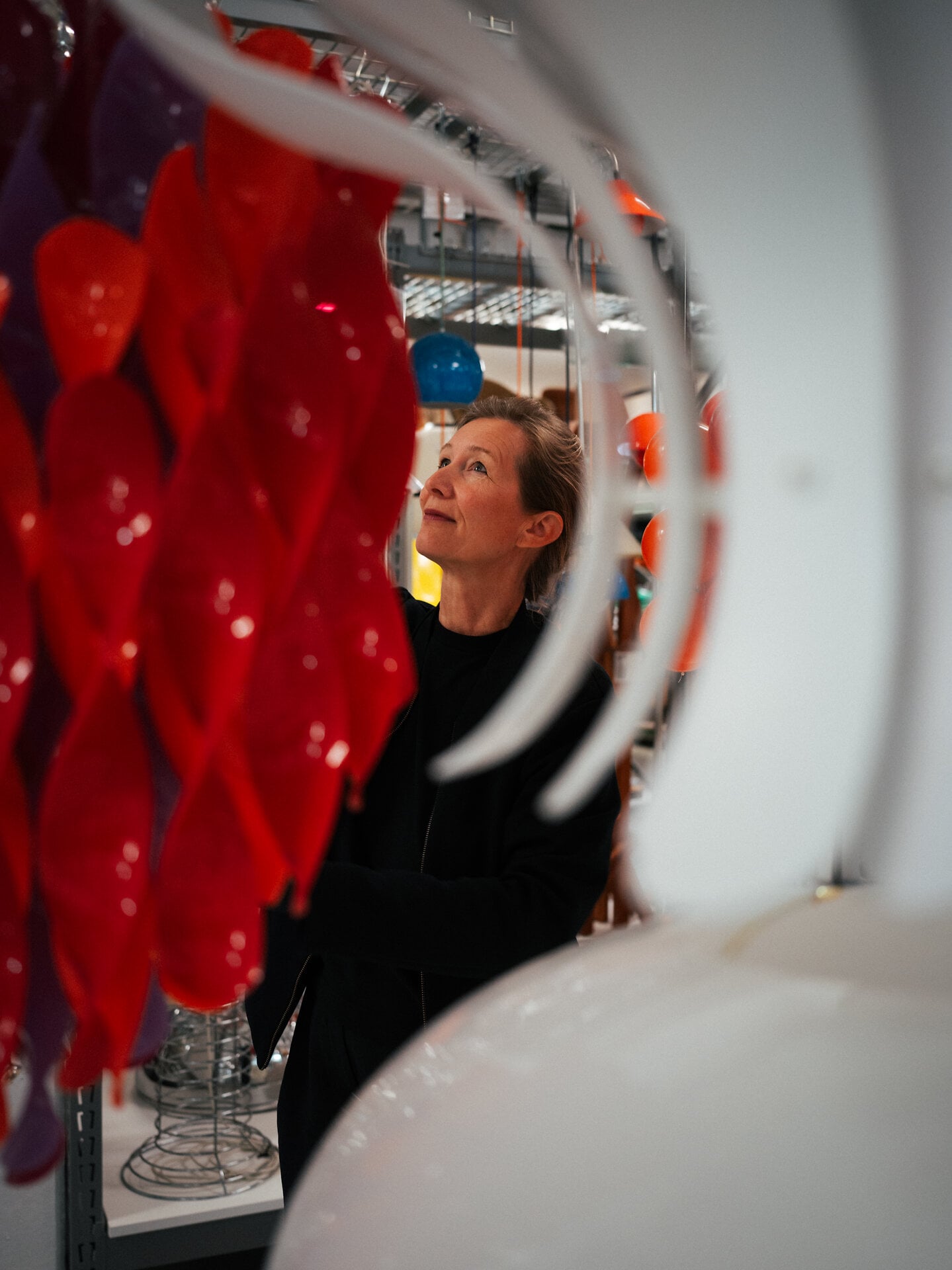
Verner Panton created a world of his own through his designs. © Basel Tourismus, Oz Jacob Tabib
10 years of posterior support
It is hardly surprising that the Vitra Design Museum is now home to one of the most important archives of Panton’s work: it dedicated a large exhibition to him as early as 2000. Now, it is marking this anniversary with the most comprehensive show since that date. The archive houses not only numerous original objects but also over 40,000 drawings and documents. “This does not merely help us to trace his development processes, but also enables us to craft narratives,” said Susanne.
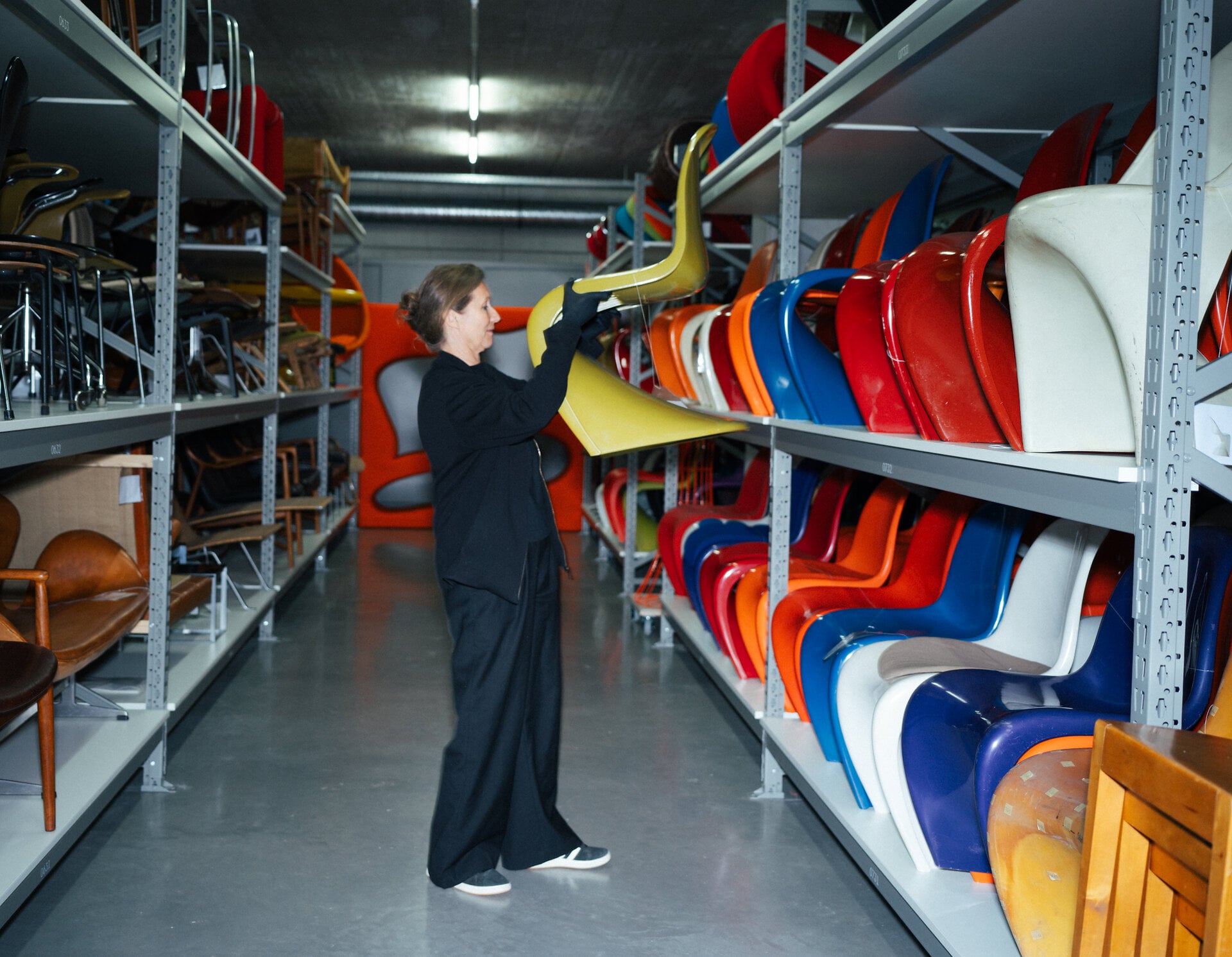
Susanne with the Panton Chair. © Basel Tourismus, Oz Jacob Tabib

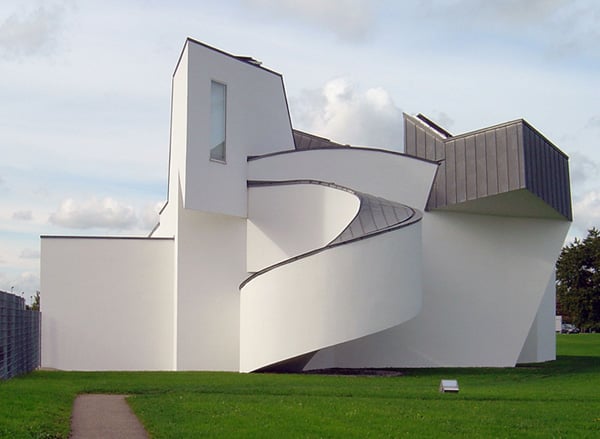
Vitra Schaudepot. © Basel Tourismus, Oz Jacob Tabib
This is encapsulated by the famous Panton Chair, the original prototype of which, from 1958, is even located in the museum archive. While the chair is considered a design icon today, the idea seemed almost absurd at the time. A floating chair made entirely of plastic? Too radical, too risky, too technically difficult. It took almost ten years of development before the first series version could be produced.
“Vitra has always been a place for innovative ideas.” Susanne Graner
“Verner Panton was definitely patient,” Susanne confirms, laughing. The fact that Vitra, as a manufacturer, was willing to engage with the experiment is somehow typical: “Vitra has always been a place for innovative ideas.”
A heart for contemporary design
As Head of Archive & Collection, Susanne and her team are responsible for tasks such as the preservation and care of the museum collection, the digitization of the archive, and the conservation work behind the scenes. She says, with a smile, that curating is more like “a side job” – one that greatly enriches her professional life day to day.
Her journey to the Vitra Design Museum started far away from classic design and futuristic residential landscapes. Originally, Susanne Graner completed an apprenticeship as a carpenter. She then studied restoration and conservation, and initially worked in monument preservation in Bavaria, focusing on Baroque high altars and historic church chairs, before shifting into a role in palace administration. But even during her studies, it became clear to her that her true passion was contemporary design.
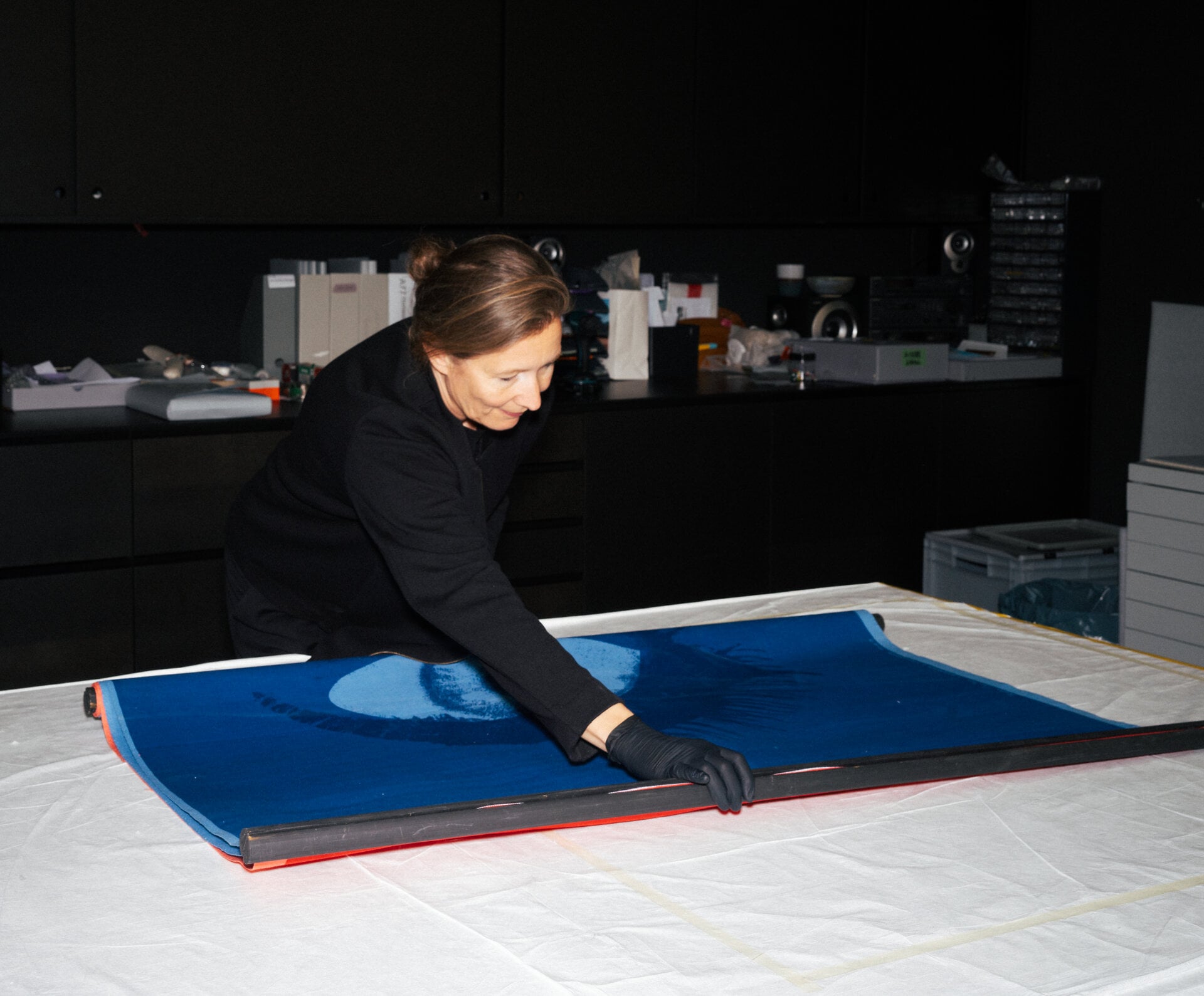
Susanne Graner offers a behind-the-scenes look. © Basel Tourismus, Oz Jacob Tabib
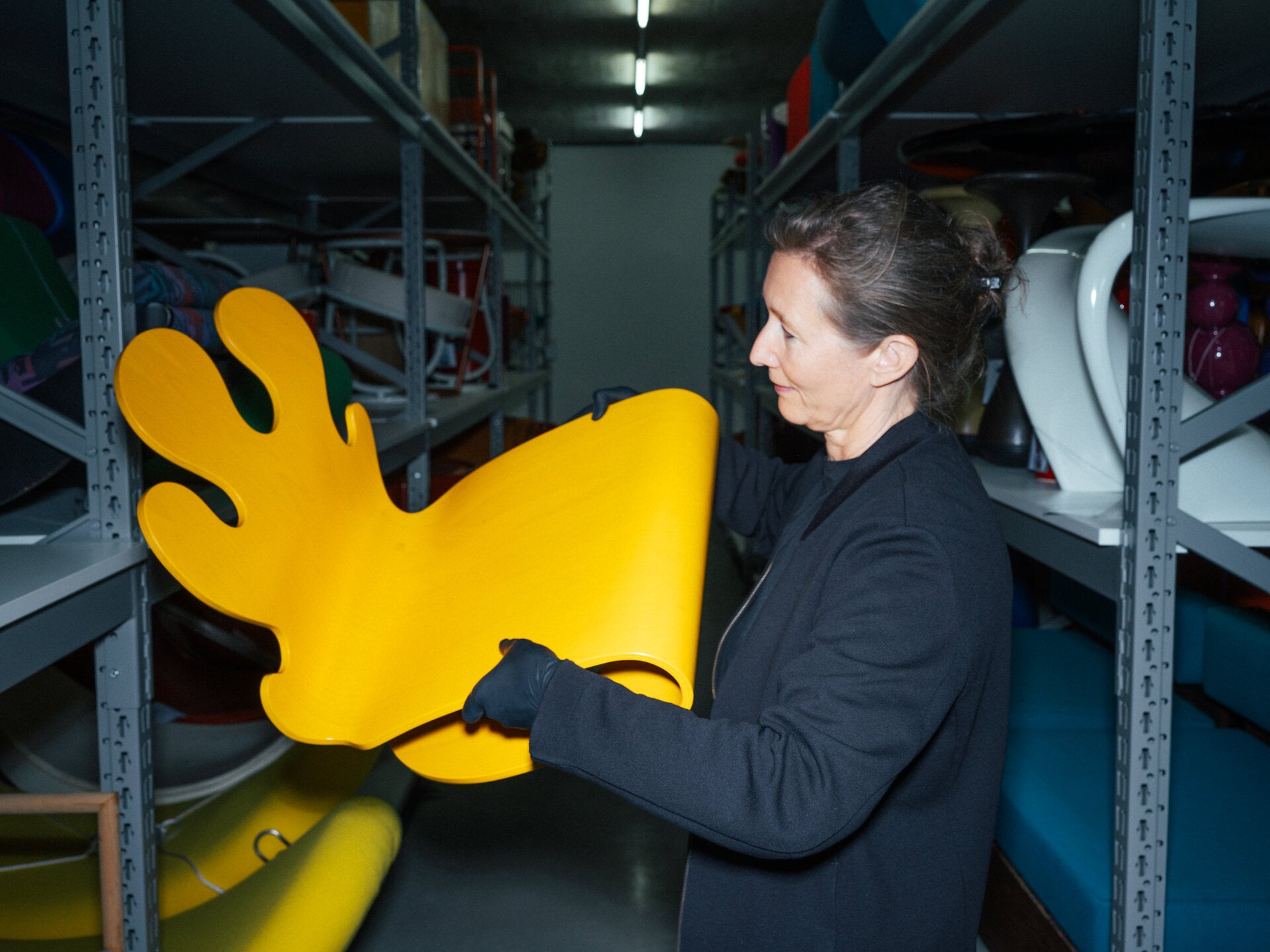
Susanne Graner at the Vitra Schaudepot. © Basel Tourismus, Oz Jacob Tabib
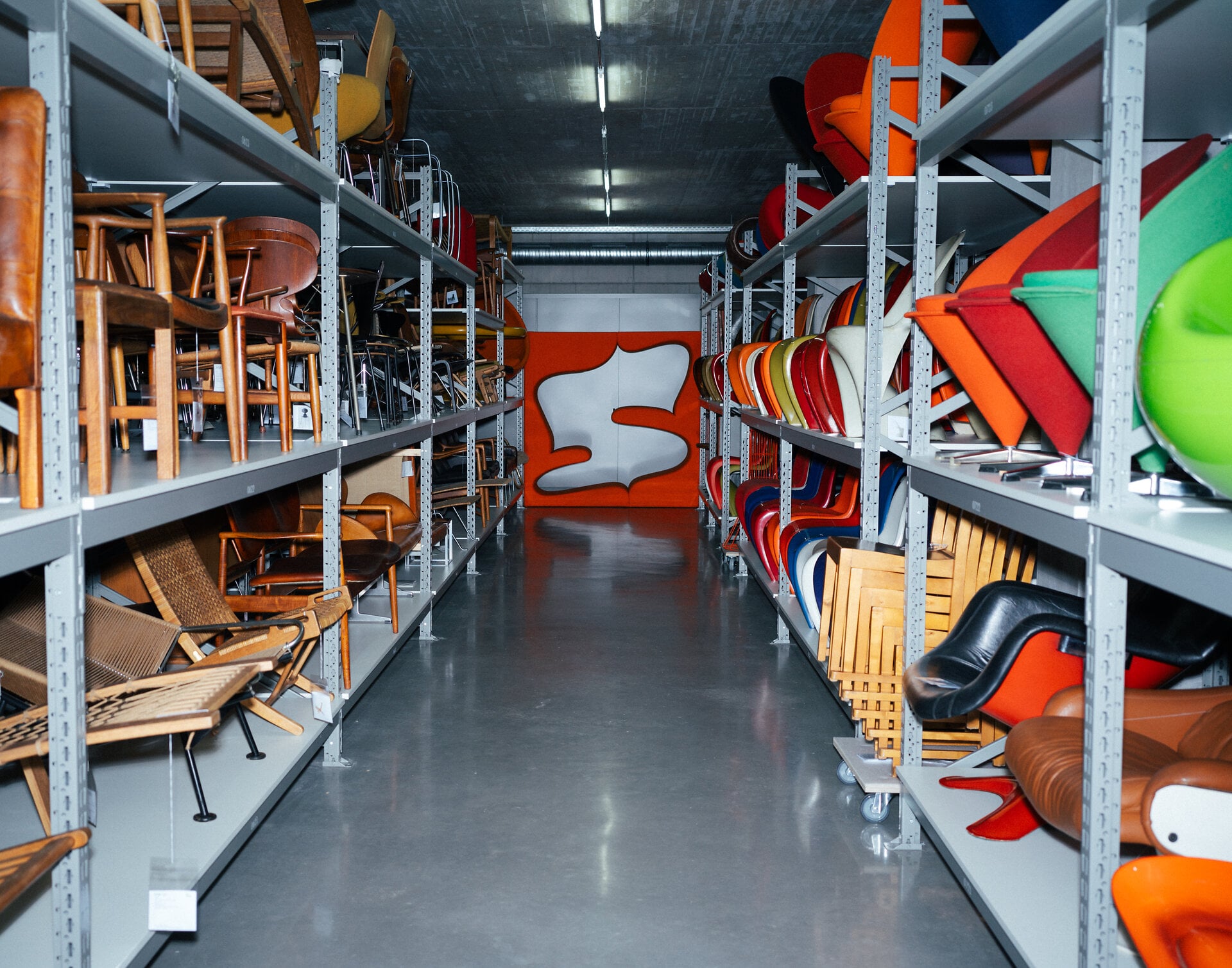
Vitra Schaudepot in Weil am Rhein. © Basel Tourismus, Oz Jacob Tabib
She moved to the Die Neue Sammlung in Munich, one of the most important design museums in Germany, where she worked as a restorer for seven years. When the Vitra Design Museum started looking for a collection director with a restoration background – “which is extremely rare” – the job seemed tailor-made for her.
Since then, stagnation and boredom have been foreign concepts to her: “I’m constantly being exposed to new topics that expand my horizons.”
“I’m constantly being exposed to new topics that expand my horizons.” Susanne Graner
So how do you live when you’ve been working at Vitra for 15 years?
“When I started here, I was always amazed that some of my colleagues’ homes looked like a showroom,” she says. “That will surely never happen to me,” she thought. “Of course it did.”
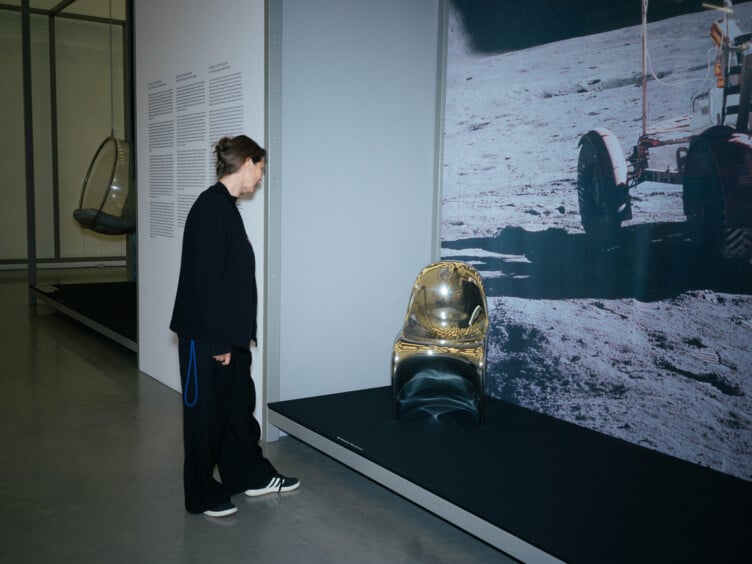
Susanne Graner at the previous exhibition Science Fiction Design. From the Space Age to the Metaverse, which featured works by Verner Panton. © Basel Tourismus, Oz Jacob Tabib
Today Susanne Graner lives with her family in Haltingen, Germany. The move from the city of Munich to the country was a deliberate one. “We wanted something totally different, to be surrounded by nature and a stone’s throw away from everything,” she says. “Just today, during breakfast, we once again realized that our home sometimes still feels like a holiday home.”
As far as the Basel region goes, she particularly appreciates the cinematic offerings and the proximity to the water. And so she and her family spend a lot of time in the Altrhein region or in the Petite Camargue near Huningue (France). She is also a big fan of the “Memory of the Rhine and Memory of Salmon” permanent exhibitions on display there: “It’s really old-school – but it’s also like a little journey through time.”
She loves places that have a story, places where there is an effort not only to preserve this story but also to use it in new ways. “The filter4 is another good example of this.”
She also recharges her batteries through travel. Together with her partner, she takes a trip in a no-frills converted VW van through remote regions, most recently through Tunisia and the Balkans, at least once a year. They have no fixed plan, and often simply follow the weather. “As the saying goes, the journey is the destination.”
Preserved for the future
While precision and structure are often required in her day-to-day work, she consciously seeks out the opposite in her personal life: simplicity, improvisation and spontaneity.
Susanne Graner. © Basel Tourismus, Oz Jacob Tabib
Perhaps that is exactly what explains her love for design. Because for Susanne Graner, design is not something elitist. “We’re constantly surrounded by design,” she believes. “Which cup we use, which car we drive, or how a garden is laid out – all of this is design.” All the more, she regrets that society is often too little aware of architecture and design. “I’d love it if children could learn, at a young age, how design works and why well-designed things influence our lives.”
“We’re constantly surrounded by design.” Susanne Graner
She views her own work as a responsibility towards future generations. “In the best-case scenario, we can preserve things for the future here,” she says. “Thus making us a small part of the story, too.”
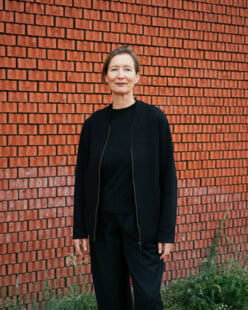
Susanne Graner | Vitra Schaudepot
Susanne Graner is Head of Archive & Collection at the Vitra Design Museum and works at the Vitra Schaudepot. She is responsible for the museum collection, archival work, and the conservation and digitisation of design objects. She also curates exhibitions, including the exhibition marking the 100th anniversary of Verner Panton’s birth.
design-museum.deCooperation with Basel Happens
Would you like to meet more exciting personalities of Basel? On the Instagram channel “Basel Happens”, our journalist Valérie Ziegler has been showcasing her beloved city since 2017, together with the local photographer Oz J Tabib. Discover inspiring and unique places, people, and projects!